Window tinting looks simple from the outside. A pane darkens, the cabin cools, and glare drops. Under the surface, good tinting is a small materials science story that hinges on how light behaves inside layers a few microns thick. Ceramic films changed that story. They do not rely on dye to absorb heat or metallic layers to reflect it. They use nanoparticle ceramics to filter specific wavelengths of light without muddying your view or interfering with electronics. When matched well to a vehicle or vessel, they deliver cooler interiors, steadier air conditioning performance, and more forgiving visibility on hot days.
This piece walks the practical bridge between claims on spec sheets and lived results. It looks at why ceramic films outpace older tint technologies for heat rejection and optical quality, where they can stumble, and how professionals test and install them to preserve those advantages.
What ceramic film actually does
Ceramic tint is not simply a darker film. It is a stack of polyester and adhesive layers infused with ceramic nanoparticles that interact selectively with infrared energy. Most of the discomfort people feel in a sun-soaked cabin comes from infrared wavelengths between roughly 780 and 2,500 nanometers. A ceramic layer is tuned to attenuate large chunks of that spectrum, so the film rejects heat while allowing visible light to pass with minimal distortion.
Spec sheets use several metrics. Visible Light Transmission (VLT) tells you how much visible light makes it through, so a 35 percent film lets 35 percent of visible light pass. Total Solar Energy Rejected (TSER) bundles visible, infrared, and a fraction of ultraviolet into a single performance number. Two films with the same VLT can have very different TSER. A modern ceramic 35 percent can carry TSER values around 50 to 65 percent, while a dyed 35 percent may sit under 40 percent. The difference shows up most clearly when your hand feels cooler behind the glass even though the cabin still looks bright.
Where the ceramic approach stands out is selectivity. Instead of reflecting energy like a metallic film, which can cause mirror-like glare outside and noticeable reflectivity at night, a ceramic film primarily absorbs and re-radiates infrared energy harmlessly. It typically keeps exterior reflectance low, so windows do not look chromed or mirrored. Inside, that means less veiling glare, especially when streetlights or oncoming headlights rake across side glass.
Clarity, color, and the eye strain factor
People often underestimate fatigue from low-grade haze. Dye-based films sometimes create a gray-green or brown cast that shifts color rendition. Metallic films add faint sparkle or double imaging on raked glass. Ceramic films, when made well, avoid these traits. You see truer colors and sharper edges, which helps during longer drives or when scanning for pedestrians in shadow.
Haze is not just a cosmetic defect; it elevates the black level in your field of view. In practice, that means a dampened contrast range. A clear ceramic film keeps haze low, often below 1 percent in controlled tests, so black text on roadside signs reads clean, and reflections in side mirrors are less muddled. Boat Shrink Wrapping Xtreme Detailing and Ceramic Coatings Drivers who wear polarized sunglasses find that good ceramics maintain visibility through factory laminated windshields without producing odd rainbow banding, a common complaint with some metallic constructions.
Ceramic vs dyed vs metallic, in the cabin and on the skin
Dye tints darken the glass by absorbing visible light and a portion of near-infrared. They are inexpensive, look fine at first, and often fade to purple or lighter shades after years in sun. Metallic tints use a sputtered or deposited metal layer that reflects heat effectively. On paper they can match or beat older ceramics for TSER, but they can also interfere with signals, from keyless entry to cellular and GPS, and they can run afoul of aesthetic goals with their higher reflectivity.
Ceramic films land in the middle visually and at the top for balanced performance. They block 99 percent or more of UV at 300 to 380 nanometers, which protects interior materials and reduces cumulative sun exposure to occupants. That UV rejection is not just about dashboards and leather. Dermatologists flag side-window exposure as a quiet risk, especially on long highway drives. A clear or light ceramic on front windows can mitigate that risk without violating legal VLT.
Heat load, AC duty cycle, and real comfort
On a typical midsize vehicle with generous glass area, interior surfaces can easily exceed 150 degrees Fahrenheit at midday in summer. Reducing solar load by 40 to 60 percent changes how the cabin heats and cools. In our shop measurements, which use field meters and temperature probes rather than lab gear, we see cabin peak temperatures drop by 10 to 20 degrees after ceramic tint compared to stock glass with similar outside conditions. More telling is the time to comfort. With a ceramic film, it often takes 30 to 50 percent less time for the AC to pull the cabin under 80 degrees from a hot soak.
Electric vehicles make this more tangible. Lower cabin heat load reduces compressor runtime, which trims energy draw. Range gains depend on conditions, but on hot-route commuting we have seen 2 to 5 percent improvements attributed primarily to reduced AC use when ceramic films are applied to side and rear glass, and a clear, high-IR windshield film is added.
Where regulations and safety set the boundaries
Every jurisdiction sets limits on VLT for front side windows and windshield tint. Rear and cargo glass usually enjoys more flexibility. A ceramic film helps here because you can keep the legal VLT while still gaining meaningful heat rejection. For windshields, many regions allow only a top visor strip. Clear ceramic films with VLT in the 70 to 90 percent range exist for full windshield coverage, but their legality varies. When in doubt, choose a lighter film on the front sides and reserve darker shades for the rear.
Specialty work has stricter rules. In Airplane Detailing, films near avionics or heated panels are restricted. Optical clarity and adhesion near the edges of acrylic windows matter, as does resistance to outgassing at altitude. Marine Detailing brings salt exposure and constant spray, so edge sealing and corrosion resistance for any metalized layers become concerns. Ceramic is typically preferred on boats and yachts for its low reflectivity and stable color. RV Detailing sits between automotive and residential practice, with larger panes, more prominent dot-matrix borders, and a wide mix of glass types.
How ceramic films behave on different glass types
Automotive side windows are usually tempered glass, which accepts film readily. Rear windows often include embedded defroster lines, which slightly complicate squeegee technique and final curing. Laminated windshields and some front side windows have an inner plastic interlayer. This can amplify haze if a film traps microbubbles, so patient installation and thorough glass preparation matter more.
On marine craft, curved, thick acrylic panels demand different tactics. Standard window tint adhesives are not formulated for flexible plastics. A marine-grade ceramic film with a softer adhesive and high UV stability avoids edge lift. Airplane canopies and windows often use polycarbonate or acrylic as well, and thermal expansion changes across altitude and temperature swings demand a compliant film that will not craze or whiten at the edges.
How Xtreme Detailing and Ceramic Coatings chooses and installs ceramic films
Shops that tint all day learn to read a vehicle’s glass like panels in a body shop. At Xtreme Detailing and Ceramic Coatings, selection starts with use patterns. A family hauler that parks outside, a highway commuter in a high-heat region, and a delivery van idling between stops each benefit from different balances of VLT and IR focus. We look beyond the marketing term IR rejection, which can mean measurements at one or two wavelengths. Instead, we examine spectrophotometer curves for the full near-infrared band and confirm that a film’s TSER rises appropriately as VLT drops without excessive interior reflectance.
Preparation is where most clarity battles are won. A single human hair or a shard from a glass scraper will telegraph as a bubble or streak under the film. We treat Window Tinting prep like Paint Correction lite for glass. The process uses razor scrapers with fresh blades, non-abrasive glass polish as needed, and lint control that rivals what we use before applying a Ceramic Coating to paint. Back windows with complex curvature call for controlled heat shrinking of the film. Too much heat stiffens the film and risks creasing, too little and the film bridges and lifts days later.
On delivery, we meter VLT and note it for the customer next to local legal specs if requested. We also advise on curing. Moisture has to migrate out through the adhesive. In moderate weather, visible drying can take 24 to 72 hours for sides and a week or more for a busy rear defroster panel. Cold weather doubles that. Rolling windows down too soon creates pressure ridges that never quite polish out.
Field notes from Xtreme Detailing and Ceramic Coatings: edge cases and fixes
Some factory dot-matrix bands refuse to bond perfectly. They create a light gray halo or a line of tiny bubbles. On vehicles with thick, high-contrast dot bands around the rear glass, we soften the transition with a narrow border of a compatible, clear edge sealer or, if the owner accepts it, a custom-cut overlay that masks the dots. Another recurring quirk is mismatched factory glass on left and right doors, where one tests a few points darker. Even small differences are obvious once a uniform film goes on. We flag this before installation so the owner does not interpret it as a tint defect.
For vehicles with driver-assist cameras and lidar at the windshield, clear ceramic visor strips and full windshield films require precise cutouts. A poorly trimmed notch can cast a shadow or scatter light into a sensor. The safe route is to keep film clear of any sensing surface and stay within the manufacturer’s specified exclusion zones.
On boats, marine wipers chew edges. We run a narrow no-film margin at the sweep endpoints and a slightly chamfered corner radius to avoid catching. Heat from sun and engine rooms also builds behind aft windows. If a cabin sees temperatures above 170 degrees regularly, we switch to films certified for high-temp use to avoid adhesive softening and dye migration in hybrid films.
Ceramic films and the wider detailing ecosystem
Window tint is one part of a thermal and optical strategy. Paint Protection Film on A-pillars and mirror caps limits rock chipping where turbulent air and debris concentrate. A high-quality Ceramic Coating on paint keeps contaminants from bonding and makes wash cycles shorter, which controls water spotting around the beltline, the very area you notice most when glass is clean. Some opt for a hydrophobic glass coating on the outside, separate from tint on the inside. Done correctly, the two do not interfere. The coating needs full cure before the tint is installed inside to keep slip solutions from sneaking under edges.
Auto Detailing routines shift a bit after tint. Ammonia-based glass cleaners are out, along with stiff paper towels. A dedicated glass towel with a tight weave and an alcohol-based cleaner maintains tint clarity. In RV Detailing, the sheer area rewards a plan: coat exterior glass for easy bug removal, tint interior glass for heat reduction, and reserve a few untinted panes near mirrors or cameras to keep visual cues sharp on narrow roads.
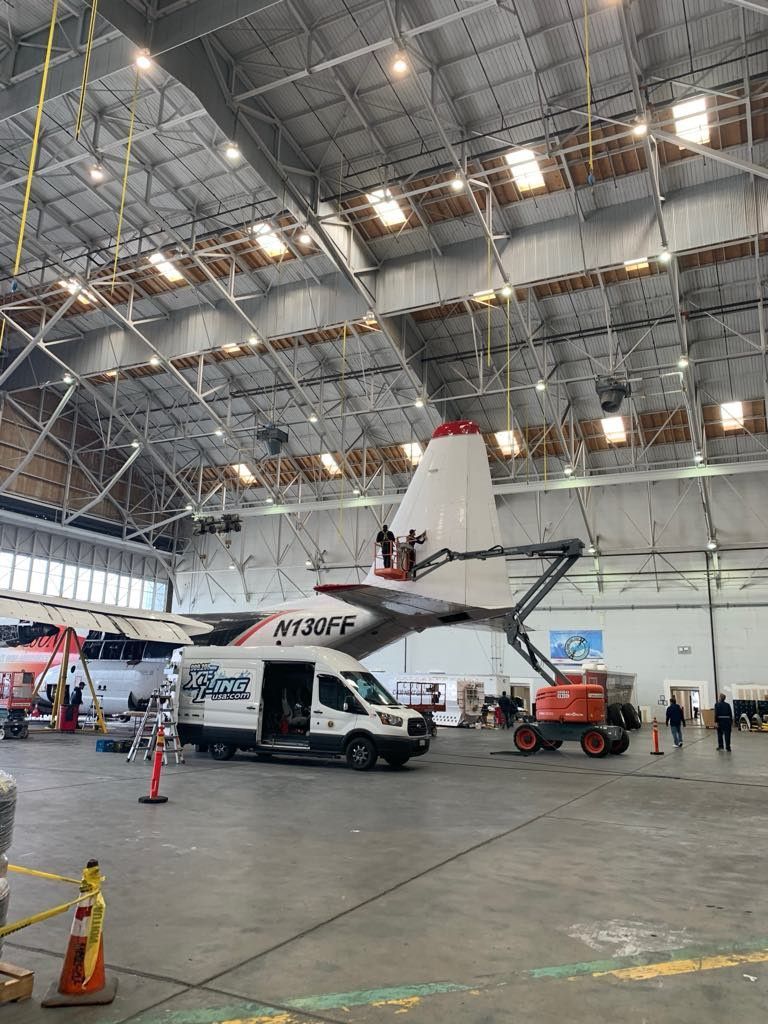
Airplane Detailing brings its own choreography. On certified aircraft, any film work must respect maintenance documentation and avoid blocking placards or window markings. Heat and clarity are not the only stakes; frost and interior condensation behavior matter at altitude. Films that haze slightly at subfreezing temperatures can make a morning leg difficult.

How to select a ceramic film without chasing marketing claims
You can avoid most missteps by focusing on four practical checkpoints rather than one big number.
- Match VLT to the legal limit on front sides, then choose a film family with high TSER within that VLT. Compare apples to apples within the same shade. Review IR performance across a broad band, ideally 900 to 1,800 nanometers, not just a single 980-nanometer test point used for handheld demos. Inspect sample cards in direct sun and in shade, both with and without polarized sunglasses. Look for color neutrality and low haze. Ask about signal behavior. Quality ceramic films should not affect GPS, cellular, toll tags, or tire pressure monitoring.
These steps do a better job of surfacing real-world differences than any showroom heat lamp test alone.
Measuring performance with more than a handheld meter
Those pocket IR meters that show 90 percent rejection through a 5-centimeter sample are useful for quick demos, but they can mislead. They often hit one wavelength where the film peaks. A proper read includes spectrophotometer data or at least a TSER measured to a standard like ISO 9050 or EN 410. In the field, we add thermocouples on interior surfaces and a data logger to observe cooling curves. That tells a more honest story: how fast the cabin sheds heat, how stable the AC outlet temperature stays, and how the film behaves as the sun angle shifts.
Longevity, color stability, and warranty terms that matter
Ceramic films hold color because there is no dye to fade in the visible range. Any slight tone shift you see over years usually comes from adhesive aging or contamination at the edges. A well-made ceramic can look nearly unchanged after 8 to 12 years in typical use. Warranties vary. Lifetime can mean as long as you own the vehicle, sometimes limited to cracking, bubbling, or demetallization, which does not apply to true ceramics. The useful questions are simpler: does the warranty cover replacement labor, and is it transferable. In high UV regions, transferable coverage adds resale comfort.
Care during and after curing
For most vehicles, patience is the best maintenance tool in the first week. Windows look hazy while moisture clears, and tiny water pockets can resemble dust nibs. If they flatten when pressed gently, they are moisture, not contamination.
A compact care routine keeps ceramic films looking new:
- Clean with an alcohol or surfactant-based, ammonia-free glass cleaner and a soft, dedicated microfiber towel. Avoid razor blades on the inside, even for stubborn stickers. Use plastic scrapers and low-heat steam instead. Wait several days before rolling windows down, especially in cold or humid weather. Keep hard-edged brushes and magnetic window shades away from the film edges to prevent lifting or chafing. For rear defrosters, avoid aggressive wiping across the lines during the first week; let the film fully bond.
This simple list covers most scenarios. The rest is common sense, like keeping jewelry away from tight door pulls when exiting.
Where ceramic films intersect with safety technology
Modern vehicles pack cameras, lidar, radar, and interior monitoring. Tint choice can clash with these systems if you ignore their placements. A clear, high-IR windshield film can drop cabin heat dramatically, but you must avoid coating camera lenses or covering frit areas that support rain sensors. Side-window cameras used on some trucks benefit from lighter VLT around their capture zones. For blind spot sensors or antennas embedded at the glass periphery, ceramics are largely friendly. Metallic films are not. On head-up displays, films with higher internal reflectance can create ghosting, so we test sample patches on the windshield before a full install when a customer is sensitive to HUD clarity.
A brief note on aesthetics and the built environment
Color neutrality matters when a vehicle’s paint skews warm or cool. A gray-neutral ceramic pairs with most factory colors without kicking green or brown. Painters and detailers who sweat undertones appreciate this. On storefronts and homes, which fall just outside our scope here, ceramics again help when you want low reflectivity to keep night views pleasant. A reflective film might save more energy on paper, but if it turns windows into mirrors at dusk, occupants draw blinds and negate the gain.
Tying it together on challenging platforms
Some jobs remind you why process discipline matters. A Class A motorcoach with deep tint installed long ago can fight removal. Steaming and adhesive softening are slow work, and defroster lines are easy to scar. Once cleared, a modern ceramic in a mid-light shade stabilizes interior heat far better than the old dyed film ever did, with lighter views that make fatigue less of a factor on long desert runs. On a center-console boat with a curved polycarbonate windshield, the goal is often glare control at midday without dimming the helm too much in overcast chop. A light ceramic, paired with an exterior hydrophobic coating to shed salt spray, solves more problems than it creates.
We have had airplane owners ask for darker tints on side windows to kill glare on bright cloud decks. The answer is a light ceramic and a polished, scratch-resistant exterior coating rather than a deep shade that complicates night landings. Sometimes, restraint is the professional move.
Where Xtreme Detailing and Ceramic Coatings sees the biggest gains
Across thousands of installs, the surest wins come from a thoughtful mix. A clear or very light ceramic on the windshield to slice IR, legal-limit ceramic on front sides to maintain visibility, and a step darker on rear quarters to balance privacy and heat control. When paired with high-quality Paint Protection Film on leading edges and a Ceramic Coating for easy maintenance, the whole vehicle stays cooler, cleaner, and more consistent to live with.
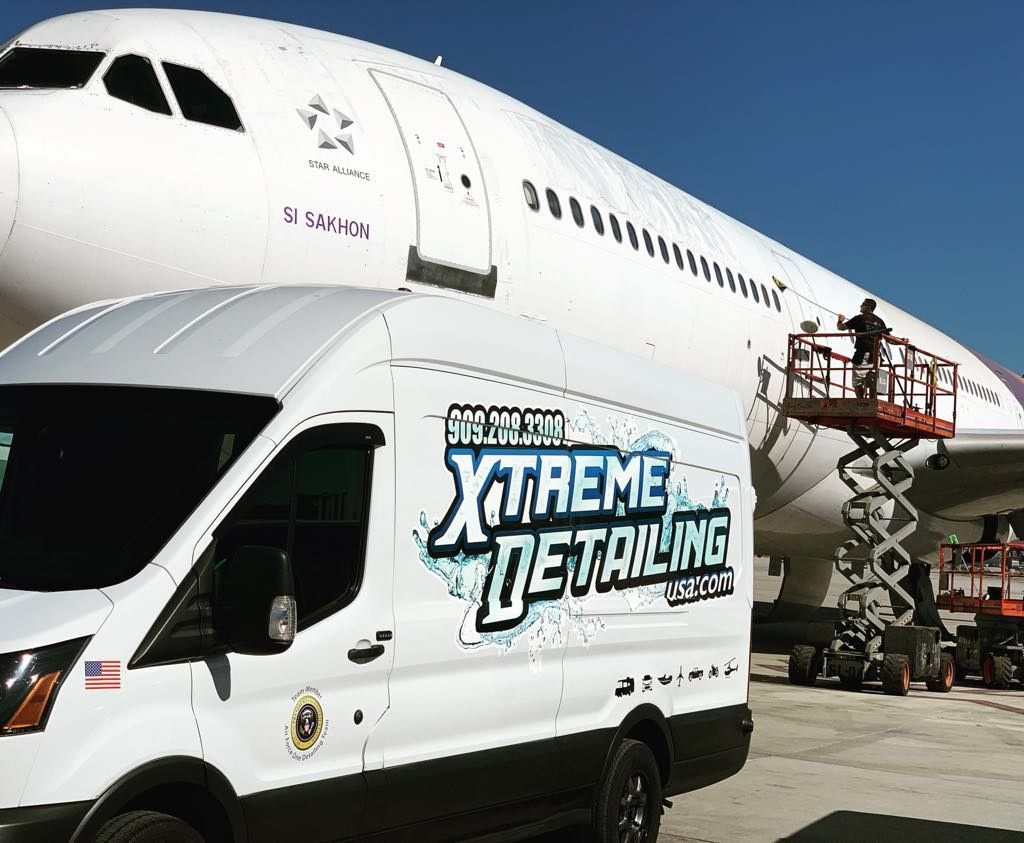
Xtreme Detailing and Ceramic Coatings treats Window Tinting as part of a system rather than a standalone cosmetic tweak. The system thinking spills into Airplane Detailing, Marine Detailing, and RV Detailing as well. Each platform bends the rules a bit, but the core principle does not change. Favor films that reject heat without distorting what you see or muting the signals your electronics need to work.
The practical bottom line
Ceramic films earn their reputation the hard way, not with buzzwords, but with steady comfort on hot days, calmer eyes at night, and a cabin that lasts longer before it looks tired. They avoid the penalties of metallic interference and the fade of dyed layers. In the hands of an attentive installer, their advantages survive the leap from sample card to windshield.
If you decide to upgrade, pick your shade by law and need, confirm heat rejection across the full IR band, look and feel for clarity, and protect the install with sensible care. The rest is craft. On good days, you forget the film exists because the ride feels natural, just cooler.
Xtreme Detailing and Ceramic Coatings
15686 Athena Dr, Fontana, CA 92336
(909) 208-3308
FAQs About Car Detailing Services
How much should I spend on car detailing?
The cost of car detailing can range from $100 to $300 for standard services, while premium packages like paint correction or ceramic coating can cost several hundred to over a thousand dollars. The right budget depends on your vehicle’s condition and the level of protection you want.
Is detailing worth the money?
Yes, professional detailing is a worthwhile investment. It helps protect your vehicle’s paint, maintains the interior, and preserves resale value. In areas like Fontana, CA, where sun exposure and dust are common, regular detailing can significantly extend your car’s lifespan.
How often should you fully detail your car?
A full detailing service is typically recommended every 4 to 6 months. However, this can vary depending on driving habits, weather conditions, and whether your vehicle has protective treatments like ceramic coating.
What time of year is best for car detailing?
Spring and fall are ideal times for car detailing. Spring helps remove winter buildup, while fall prepares your vehicle for harsher weather conditions. In Southern California, detailing year-round is beneficial due to constant sun exposure and environmental contaminants.
How long does car detailing last?
The results of detailing can last anywhere from a few weeks to several months, depending on the services performed and how well the vehicle is maintained. Protective options like ceramic coating can extend these results significantly.
Do I need ceramic coating after detailing?
While not required, ceramic coating is highly recommended after detailing. It adds a durable layer of protection, enhances shine, and makes future cleaning much easier, especially in high-heat environments like Fontana.